
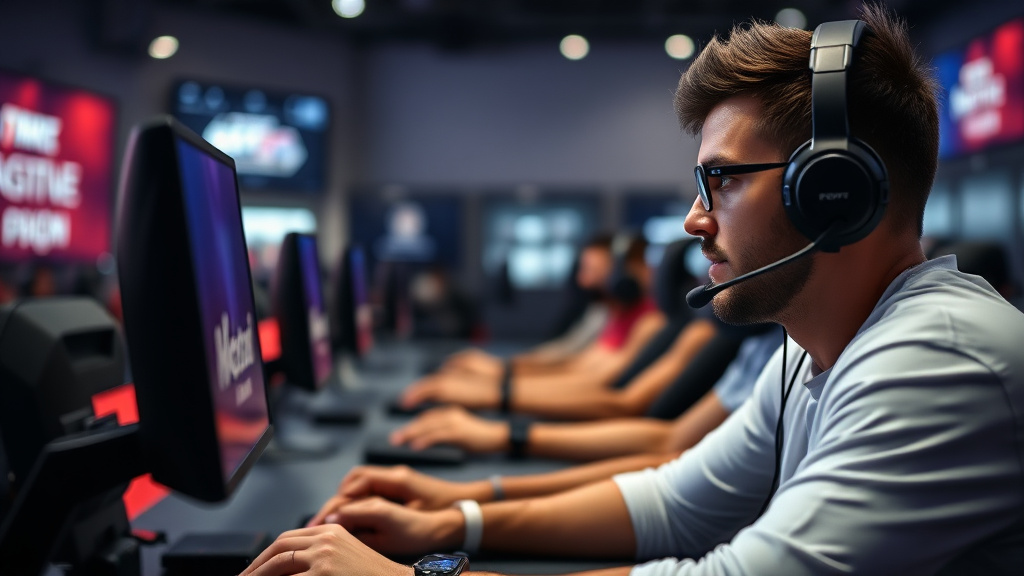
The esports industry is experiencing a substantial transformation as leading professional organizations recognize that competitive gaming exerts a serious impact on players’ mental health. From stress and exhaustion to mood disorders and insomnia, elite gamers face unique mental health challenges that demand specialized support. In response, prominent gaming organizations are now introducing comprehensive mental health programs, partnering with sports psychologists and wellness experts to ensure their athletes receive the care they require to thrive both in and out of competition.
The Rising Need for Mental Health Support in Esports
The high-stakes esports landscape has changed significantly over the last 10 years, converting gaming from a recreational pastime into a demanding professional environment. Elite players now face intense practice regimens, fierce competitive challenges, and considerable financial stakes that compete with mainstream sports. This surge has elevated psychological concerns to the forefront, as players contend with competitive stress, ongoing tension, and the emotional weight of playing at the highest levels.
Research mounting evidence demonstrates that professional esports players face mental health issues at alarming rates. Studies reveal heightened rates of depression, anxiety disorders, and burnout among competitive gamers, often exacerbated by irregular sleep patterns, reduced community engagement, and the constant pressure to preserve competitive excellence. The demanding nature of esports—requiring prolonged concentration, fast-paced judgments, and psychological strength—establishes a distinctive mental landscape that conventional mental health approaches frequently struggle to tackle adequately.
The industry’s awareness of these issues marks a pivotal moment in how esports organizations focus on player welfare. Leading teams now recognize that mental health plays a crucial role in performance, longevity, and long-term career viability. Without proper psychological support, talented players are vulnerable to severe burnout that ends careers, damaged relationships, and ongoing mental health problems that transcend their competitive careers.
Beyond player wellbeing, the increased acceptance of mental health discussions within esports benefits the entire industry. When organizations openly address psychological challenges, they lower barriers and inspire athletes to get support without concern for reputation or career repercussions. This broader transformation fosters a more inclusive and supportive professional setting where achievement is defined not only by tournament victories but also by ongoing personal wellness.
The importance of establishing mental health support programs is difficult to overstate. As esports experiences continued growth and professionalization, the psychological demands on players increase accordingly. Organizations that neglect to offer adequate mental health resources face the loss of talented players to burnout and facing reputational damage in an more socially conscious industry.
Professional esports organizations are now recognizing that allocating resources to mental health support is far more than a compassionate gesture but a critical business imperative. By implementing robust mental health initiatives, teams enhance player performance, reduce turnover, and become recognized as leaders in athlete care. This proactive approach signals to emerging competitive gamers that their emotional wellness matters just as much as their gaming skills.
Leading Groups Spearheading the Effort
The esports industry’s biggest teams have established themselves as pioneers in emphasizing player psychological well-being, understanding that emotional stability significantly affects how well they play and how long they last. Teams like T1, FaZe Clan, and Cloud9 have committed significant resources in robust psychological support programs, hiring mental health professionals and sports psychologists. These organizations know that supporting their players’ mental health provides a competitive edge while fostering a more positive gaming environment as a whole.
Global esports leagues have also stepped forward with organizational backing. The League of Legends Championship Series and CS:GO Pro League have implemented psychological support systems within their organizational frameworks. By normalizing psychological support at the highest competitive levels, these organizations are breaking down barriers surrounding psychological wellness in esports and setting industry standards that smaller teams increasingly follow and adopt.
Collaborative Team Psychological Wellness Services
Progressive esports organizations have created extensive internal mental health programs customized precisely to competitive gamers’ distinct pressures. These programs integrate proactive health measures with emergency support services, ensuring players have immediate access to support when needed. Team psychologists work alongside coaching staff to incorporate mental health strategies into regular practice schedules, emphasizing emotional strength, pressure management, and constructive coping approaches for the high stakes of professional competition.
The top-performing team programs adopt a comprehensive strategy, addressing not only competitive stress but also personal circumstances affecting mental health. Organizations deliver rest quality coaching, dietary guidance, and exercise initiatives alongside conventional counseling. By viewing mental health as fundamental to athletic performance rather than a marginal consideration, these teams create environments where players feel confident seeking help and emphasizing their psychological well-being.
- Weekly one-on-one therapy sessions with licensed sports psychologists
- Team-wide mental health workshops and stress management training seminars
- 24/7 crisis hotline access for players experiencing acute psychological distress
- Athlete support circles enabling athlete-to-athlete relationships and shared experiences
- Post-competition mental health check-ins and recovery procedures
Impact and Player Health
Quantifiable Enhancements in Player Performance and Well-being
The establishment of psychological wellness initiatives has already demonstrated tangible benefits for professional esports players. Organizations indicate notable gains in player longevity, group dynamics, and tournament performance. Players who access mental health services show reduced anxiety levels, better stress management, and sharper mental clarity during tournaments. These beneficial effects confirm the funding of mental health efforts, proving that prioritizing mental wellness significantly enhances both individual player success and market competitiveness in the competitive esports industry.
Beyond performance indicators, athletes themselves report improved quality of life and greater resilience in dealing with competitive pressures. Availability of counseling, mindfulness programs, and stress-reduction techniques has enabled athletes to build healthier coping strategies. Team settings have turned more supportive, reducing the stigma related to mental health talks. Players now feel comfortable obtaining assistance without fear of judgment or career repercussions. This cultural change represents a fundamental change in how the esports industry values and prioritizes the comprehensive well-being of its professional athletes.
Industry-Broad Expansion and Standardization
As recognition expands, mental health support is growing beyond elite teams to grassroots and semi-professional esports communities. Major gaming organizations are establishing standardized protocols and best practices for mental health care, setting industry benchmarks. Esports governing bodies are developing guidelines that encourage all teams to implement comprehensive wellness programs. This expansion ensures that mental health support becomes an industry standard rather than a strategic edge, democratizing access to care across all levels of professional gaming.
Moving forward, the esports industry is poised to become a model for player well-being in competitive sports. Continued research into gaming-specific mental health challenges will guide more targeted interventions. Investment in developing mental health specialists specialized in esports is increasing. As the industry matures, mental health support infrastructure will probably be as fundamental as coaching and training facilities, guaranteeing that future generations of esports professionals can advance professionally while maintaining optimal psychological well-being.
Extended Outlook for Long-lasting Gaming Professional Paths
The incorporation of psychological support services demonstrates a dedication to enduring, career-focused vocations in professional esports. Organizations recognize that protecting player mental health is essential for sustained careers and preventing burnout-related retirements. By focusing on well-being, teams strengthen the ongoing sustainability of their player lineups and the legitimacy of competitive gaming as a legitimate professional pursuit. This forward-thinking strategy establishes routes for players to develop rewarding professional paths without jeopardizing their mental wellness.
The esports industry’s commitment to mental health support represents a critical turning point in athletic development. As these programs grow and develop, they set a new standard for how competitive industries should care for their athletes. The success of current initiatives will probably encourage comparable initiatives across additional gaming companies and potentially shape traditional sports. By focusing on player health today, the esports community is building a healthier, more sustainable future for esports competition and demonstrating that success and mental health are not mutually exclusive.
