
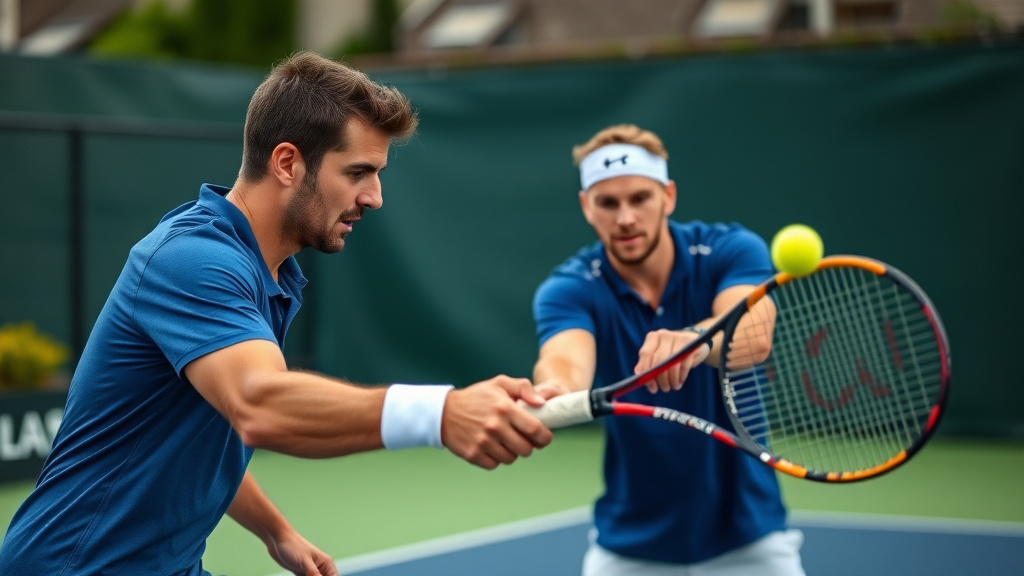
What distinguishes Wimbledon champions from the rest of the tennis world? Beyond raw talent and competitive spirit lies a carefully guarded arsenal of training secrets that enhance their performance to extraordinary levels. In this exclusive exploration, we expose the intensive training regimens, advanced training methods, and psychological conditioning approaches utilized by tennis’s elite. Discover how champions perfect their serving technique, achieve rapid court mobility, and sustain elite-level play in high-pressure situations—insights that reveal why these athletes regularly command the grass courts of SW19.
Sophisticated Physical Training Methods
Wimbledon champions utilize advanced training techniques that go far beyond traditional tennis training. These elite athletes implement systematic training blocks that carefully balance between vigorous training sessions and recuperation phases. By modifying workout elements such as training load, effort intensity, and length, players optimize their aerobic fitness and strength durability. Sport scientists partnering with top players have created individualized conditioning plans that address the unique requirements of grass court play, helping players sustain dynamic strength throughout extended five-set matches while reducing injury potential.
Power development serves as a foundation of modern Wimbledon readiness, with champions emphasizing compound exercises that enhance court performance. Rather than conventional weight training, these players focus on compound exercises that develop stability, rotational power, and lateral movement capability. Medicine ball throws, plyometric exercises, and band resistance training develop the kinetic chain essential for explosive serving and rapid directional changes. Coaches carefully structure these sessions to support match play training, ensuring players develop the strength endurance needed to execute demanding shots consistently during tournament play.
Recovery protocols distinguish champions from competitors, as elite players understand that improvements happen throughout recovery windows. Tournament-focused athletes employ advanced recovery techniques including cold therapy, contrast water therapy, and advanced massage techniques. Optimizing sleep becomes paramount, with top performers following rigorous sleep routines and utilizing sleep tracking technology to track rest quality. These detailed recovery methods accelerate muscle repair, reduce inflammation, and improve cognitive function—essential elements when playing consecutive matches across fortnight-long tournaments.
Range of motion training gets considerable emphasis in modern championship preparation. Champions dedicate considerable effort to dynamic stretching, yoga, and specialized mobility drills that maintain maximum movement capability. This proactive approach minimizes common tennis injuries while enhancing mobility performance across the court. By preserving peak mobility, players execute skilled shots with enhanced control and reduce inefficient movement compensations that create injury vulnerability. Comprehensive mobility work help athletes maintain toughness throughout intense tournament circuits.
Sport-tailored training drills simulate tournament conditions with striking accuracy, conditioning top performers for tournament intensity. Training specialists develop court-specific drills that recreate point structures, directional movements, and physiological stress faced during competitive play. This work incorporate alternating intensity protocols, alternating maximal exertion with brief recovery periods that replicate genuine match tempo. By conditioning metabolic pathways within tournament-like settings, athletes build greater physical resilience and mental toughness essential for handling high-pressure situations.
Metabolic testing and biometric monitoring have transformed how elite athletes enhance their physical preparation. Top-tier competitors undergo routine lactate threshold assessments, VO2 max assessments, and body composition analysis to track fitness advancement. Live tracking systems provide coaches with immediate insights on player exertion levels during training, enabling accurate calibration of workout intensity levels. This evidence-based method removes guesswork, allowing customized training protocols that maximize athletic improvements while reducing fatigue and exhaustion during important competitive preparation periods.
Mental Resilience and Mental Coping Approaches
Mental strength separates Wimbledon champions from their opponents. Elite players cultivate psychological strategies that help them to sustain composure during critical moments, converting pressure into winning opportunities. Through structured psychological training, champions foster unwavering conviction, emotional management, and the skill to rebound from setbacks immediately. These psychological approaches prove as important as physical conditioning, allowing players to perform at their best when stakes are highest and opponents are most formidable.
Visual Focus and Attention Training
Wimbledon champions utilize advanced visualization techniques to visualize matches before entering the court. This practice includes vividly imagining effective shot-making, anticipated opponent responses, and diverse competitive scenarios. By regularly visualizing optimal performance, athletes strengthen neural pathways that facilitate optimal execution during real match play. Champions dedicate considerable time in mental rehearsal sessions, regarding visualization with the same intensity and dedication they invest in physical preparation, consequently boosting competitive readiness and performance confidence.
Concentration training represents another cornerstone of psychological preparation for professional tennis athletes. Champions develop intense focus capabilities, eliminating mental distractions and sustaining focused attention on each point. Through meditation and mindfulness practices combined with focus drills, players train their minds to maintain presence and engagement throughout entire matches. This heightened mental clarity helps athletes to respond with rapid decision-making, adapt their approach, and sustain emotional stability during intense competitive moments on grass courts.
- Controlled breathing regulate nervous system during intense rallies
- Positive self-talk strengthens mental resilience and self-assurance
- Building consistent habits establishes mental stability and performance cues
- Competitive pressure practice builds competitive mental resilience
- Mindfulness training enhances focus and situational awareness
Mental performance specialists work directly with Wimbledon champions, creating customized psychological approaches matched to unique performance patterns and psychological profiles. These professionals conduct regular sessions examining performance metrics, identifying mental patterns, and executing specific techniques. Champions document their mental processes recording emotional conditions, concentration intensity, and psychological triggers during tournaments. This evidence-based method to psychological preparation supports ongoing development and peak mental readiness for championship performance.
Specialized Court Abilities and Strategic Expertise
Grass Court Adaptation and Surface Mastery
Wimbledon’s grass courts necessitate specialized training that extends far beyond conventional hard court training. Champions dedicate substantial training time to grass-specific drills, working on genuine grass courts to comprehend the ball’s different behavior. The decreased friction and faster pace require adjusted footwork, modified serve techniques, and perfected approach strokes. Elite players study grass court physics extensively, analyzing bounce patterns and trajectory changes. This intensive surface training commences well ahead of the tournament, ensuring their muscle memory and tactical awareness align perfectly with Wimbledon’s particular playing environment and rigorous demands.
Tactical court placement proves essential on grass, where court positioning errors lead to immediate punishment. Champions cultivate outstanding predictive abilities through targeted practice sessions that emphasize early movement and aggressive net play. Their training includes high-speed reaction exercises and simulated match scenarios specific to grass conditions. Mental preparation focuses on embracing the surface’s unpredictability while staying calm during rallies. Advanced video analysis systems help players recognize optimal positioning patterns, court coverage strategies, and footwork effectiveness. This thorough method transforms possible vulnerabilities into competitive advantages, allowing champions to leverage grass court dynamics while reducing their opponents’ opportunities.
Tactical Serve Improvement and Shot Placement Precision
The serve represents tennis’s most controllable shot, and Wimbledon champions invest countless hours perfecting its execution. Their practice regimens focus on serve variety, creating different velocity levels, spins, and placements to keep opponents guessing. Champions work on positioning with laser-like precision, focusing on specific court zones repeatedly until accuracy becomes automatic. Sophisticated technical assessment reveals optimal serving mechanics, optimizing both power and consistency. Training includes high-pressure scenarios simulating match conditions, ensuring serves stay consistent during important situations. This systematic process develops the serve into a powerful tool, often generating direct winners or setting up better opportunities for follow-up shots.
Tactical serve placement extends beyond basic power hitting, incorporating strategic court awareness and opponent analysis. Champions study their opponents’ return patterns extensively, pinpointing vulnerabilities and tendencies that guide serve placement choices. Training sessions include match-like practice situations where players practice serve selection based on particular match circumstances, opposition placement, and strategic goals. Mental preparation focuses on serve confidence, allowing players to implement predetermined tactics when facing pressure without hesitation. This sophisticated approach treats serving as a strategic puzzle piece rather than merely a stroke, giving elite players consistent competitive advantages throughout tournament play.
Net Play Excellence and Volley Proficiency
Clay-free playing surfaces reward attacking at the net, leading Wimbledon champions to develop outstanding volleying abilities through rigorous focused instruction. Their workout routines include numerous repetitive vollying exercises, enhancing feel, reaction time, and positioning sense essential to net dominance. Champions work at different positions near the net, refining shot angles, depth placement, and protective positioning. Sophisticated movement exercises strengthen their ability to reach difficult volleys while maintaining balance and recovery positioning. Strategic instruction highlights decision-making at the net, teaching players when to strike hard versus defending carefully. This thorough net skill development converts scoring chances at the net into consistent winning plays, substantially shifting game momentum benefiting the champions.
Moving from baseline to net requires flawless performance, a skill Wimbledon champions refine continuously throughout their preparation periods. Champions practice approach shots thoroughly, cultivating consistency and placement precision that establishes strong net placement. Training includes footwork patterns that focus on effective court movement while sustaining attacking stance. Psychological training centers on confidence during transition moments, empowering players to commit fully to offensive play without hesitation. Modern analytical tools measure transition effectiveness, revealing trends and improvement opportunities. This integrated approach converts net execution from infrequent tactical tool into a reliable, dominant feature of elite players’ competitive arsenals throughout Wimbledon tournaments.
